Ground Breaking Banter - Rick
For many of us, the plant part of gardening is easy – it’s the design aspect that often trips us up. This may be simply because we unnecessarily complicate it, thinking we need to do something unique and different when the fact is there are basic principles of design anyone can utilize to get professional results. Among those are the concepts of rhythm and repetition: using plants in groups of odd numbers and repeating the same plant, or the same kind of plant throughout your garden are two examples.
In this episode, we explore these concepts and how anyone can implement them for more polished, cohesive plantings in the garden or landscape. Join us at the YouTube link above or on your favorite podcast platform to hear our whole conversation on using rhythm and repetition in plant design.
Plants on Trial: Tater Tot arborvitae
We recently did a garden tour of our trial gardens here in West Michigan and one of the most commented-on plants that was included on that tour was today’s plant on trial, Tater Tot arborvitae. People just can’t resist a neat, tidy dwarf evergreen, or as we called it in the tour, a meatball. I’m not sure if this type of habit is simply naturally appealing or if it suggests to people that they’re going to get that tight, trimmed look without having to actually do anything to get it. Either way, Tater Tot arborvitae has grown to become one of our very best sellers, which is saying something for a brand that has as many hydrangeas and roses as Proven Winners ColorChoice Shrubs does!
When it comes to these very structural evergreens, most people can’t resist planting them symmetrically, like on either side of a porch or doorway or steps, or paired in some epic containers. That’s a perfectly valid use, of course, but on today’s topic of rhythm and repetition in the garden, it bears mentioning that they are also excellent used in groups throughout the garden to bring unity and structure through the landscape. It’s dead simple yet lost on so many people: plant in groups of odd numbers, repeat multiple times in relevant areas of the landscape, and you can do pretty much whatever you’d like in between, thanks to the presence they bring. An easy way to think about them is as punctuation marks in the garden – tall, narrow plants like North Pole arborvitae are like exclamation points, and small round plants like Tater Tot here are periods. So much the better that they are both evergreens so they provide structure year-round. And after all, if you love this plant, why not do more?!
There are many rounded, globe-like arborvitae out there, but Tater Tot really stands out for its small size – it’s just 2-3’ tall and about 3-4’ wide, compared to some older varieties like Woodward Globe gets to be every bit of 5’ tall and wide in time. Its dense habit is not damaged by snow (though severe ice could be another story, as it is for nearly all plants). And, it’s surprisingly heat tolerant, growing well even in USDA zone 8. As a quick aside, we did have someone ask if there was a Tater Tot in development with more heat tolerance and the answer to that is probably not – though plant breeding can accomplish some pretty amazing things, making a species like Thuja occidentalis, our native Eastern arborvitae, more heat tolerant is not really one of them. But there are still lots of options, ‘Globosa Nana’ cryptomeria comes to mind.
Like most dwarf evergreens, and in fact, evergreens in general, Tater Tot is relatively slow-growing, which is one of the reasons it is such a low maintenance shrub. So buy the largest size you can find unless you want to wait a while; it’s also a viable strategy to mix plant sizes within a single planting for the same effect of rhythm and repetition but with a twist. For best growth, definitely keep this plant mulched and provide supplemental water. It will grow in full sun or part shade, but do be aware that in deeper shade, you won’t get that nice full “ball” look, the plant will be more open. It’s largely pest free, especially if you keep it growing vigorously and happily, but of course, as with other arborvitae, it is not deer resistant.
If you’d like to add Tater Tot arborvitae – or any of the 320+ Proven Winners ColorChoice Shrubs – to your garden or landscape, you’ll find a list of local retailers here.
Gardening Mail Bag - Stacey
This is a beautiful siting of one of our favorite trees! The peeling bark is no cause for concern, however – Kousa dogwoods have naturally exfoliating bark, which adds to their beauty. The reason that you may not have noticed this happening before is because it only begins to occur once your plant is fairly mature, and it probably only reached that point this year. It’s totally normal and now that it is happening, you’ll start to see the unique patches of grey and tan develop which will give your plant even more character as it continues to grow and mature. Enjoy!

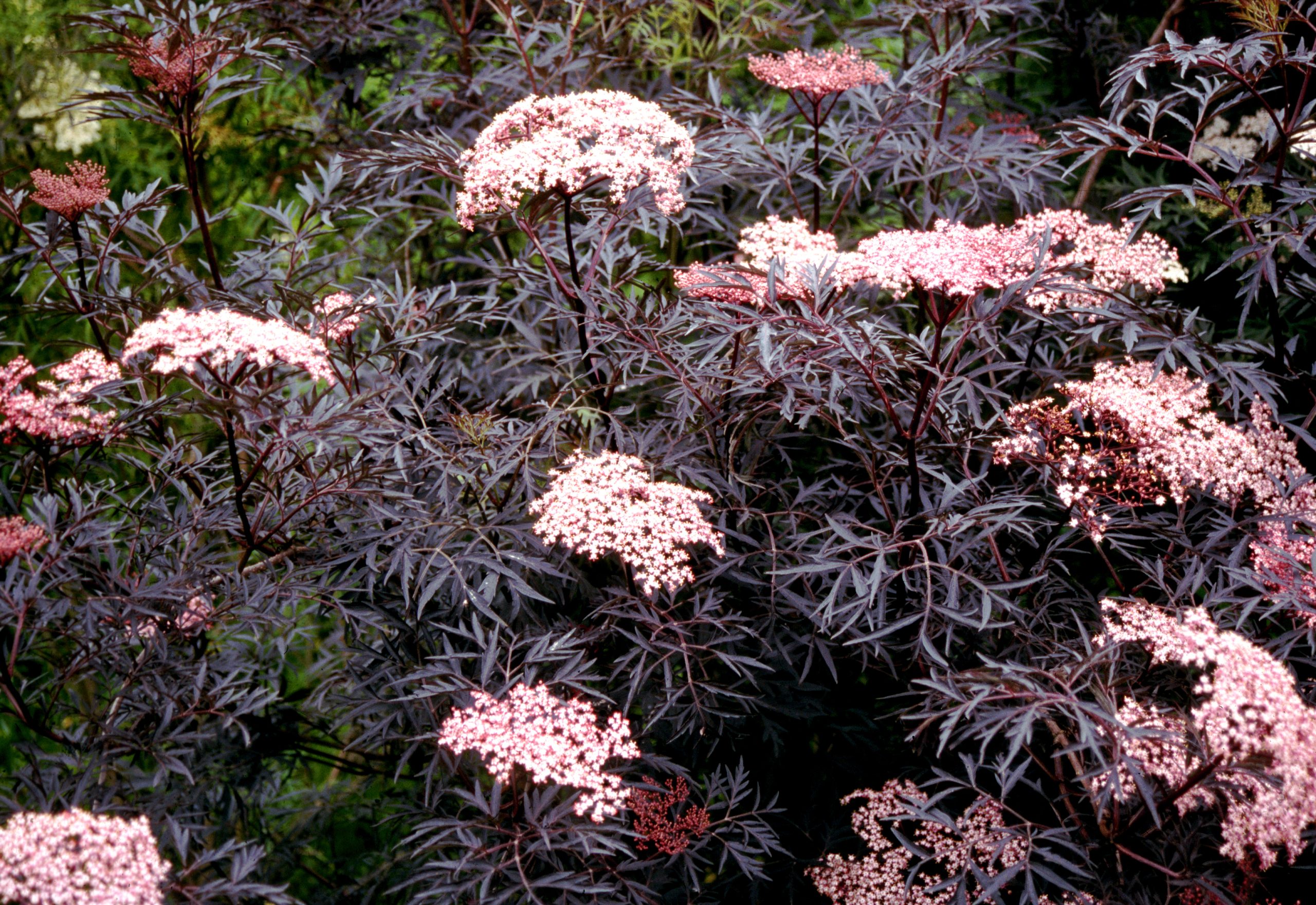
This is such a great question because it gets to the biggest shortcoming of the USDA hardiness zone system: that it only measures how much cold a plant can withstand and does nothing to address heat. Companies like us do use the hardiness zone system to roughly indicate the upper end of a plant’s heat tolerance, but that’s simply because we have no other choice – not because it’s accurate. Basically, we look at the USDA hardiness zone map and choose a zone that corresponds to the southern-most/hottest area where we think the plant will grow. However, because those zones are, again, aren’t measuring heat, it turns out that areas as vastly different as Austin, Texas and Portland, Oregon are both considered to be USDA zone 8. You needn’t have visited either place to know that there is going to be relatively little overlap between what you can grow in Portland and what you can grow in Austin. As such, because you are in zone 8 simply by virtue of how mild your winters are and your summers tend to be cool and comfortable, Lemony Lace elderberry should do very well for you in Washington.
We really wish there were a better system, but if and until that happens, we’re glad you asked!
It is correct that in the case of big leaf hydrangeas, Hydrangea macrophylla, the flower buds are not as hardy as the plant itself, and that is why in cold climates – and sometimes even in mild climates, if there is a spring frost or freeze – they don’t bloom. Big leaf hydrangeas are pretty much the only shrubs that exhibit this characteristic, which makes them even more confusing to grow. So, to give your hydrangea the best chance at blooming:
– plant in areas where the plant will be protected from the harshest of the winter winds and cold; avoid open, exposed areas.
– if possible, grow where they will be shaded on winter/spring mornings – this minimizes the chance of ice crystals damaging the flower buds.
– If the plant has started to leaf out in spring and a frost or freeze is forecast, cover with an old blanket or towels overnight and remove once the danger of frost has passed. Repeat as often as the weather necessitates.
Finally, there’s no use in using Wilt Stop or other anti-wilt products – they are intended to prevent desiccation on evergreens and won’t offer any protection against the temperature damage that can occur on hydrangeas.
Do you have a question for us? We’re happy to help! E-mail us or use the contact tab above. Due to high volume, we may not get to your question, so if you need an answer quickly, please reach out via the Proven Winners website.
Branching News - Rick
Reminder: Please send us your garden horror stories for our Halloween episode, airing November 2, 2024. Just use the “contact us” tab above and we’d love to read your story on the air!
- The city of Ontario, Oregon will celebrate its legacy this month as the birthplace of one of America’s greatest culinary creations: the tater tot.
- Over 95% of Ohio is experiencing some sort of drought conditions with below-average summer precipitation. Over 78% of the state, including most of northwest Ohio, is under a moderate drought or worse. 42% of the state, now including parts of the Toledo metro, has felt the impacts of a severe drought. Almost a quarter of the state is feeling the effects of an exceptional drought and 8% of Ohio is afflicted by the most significant extreme drought conditions.