I know I have mentioned this on previous episodes, but I LOVE yellow in the garden. It’s bright, it’s cheerful and looks vivid and eye-catching without seeming unnatural. Plus, yellow is a virtually seasonless color in the garden: you have the yellows of daffodils and forsythia in spring, the yellows of the dozens of daisies and daisy relatives like black eyed susan, heliopsis, coreopsis, daylilies, and yarrow, to name but a few. Come fall, of course, yellow is everywhere, as plants store their green chlorophyll pigments and unmask the yellow or red pigments that were there all along. And then of course, there’s yellow foliage – heuchera, hosta, carex, sedum, and of course, all sorts of woody plants with yellow foliage, like diervilla, yellow foliaged evergreens like Anna’s Magic Ball arborvitae, and then there are a few shrubs with yellow foliage that you never really think of as foliage plants. That’s like today’s plant on trial, Sky Dew Gold blueberry. Yep, it’s a yellow-leafed blueberry plant and makes this edible plant a truly garden-worthy addition with four season interest. Not something you see every day!
The show on Sky Dew Gold ornamental blueberry begins in spring when the new growth emerges green with a tinge of red on the foliage. As that expands and matures, it takes on a vivid gold color that persists through summer. And when I say vivid, I mean vivid – even though I have seen this plant dozens of times, whenever I’m walking through the trial garden in summer, it’s one that stands out even from a far distance and I’m always like, what is THAT? Only to walk over to it and discover that once again, it is indeed Sky Dew Gold. That bright golden foliage persists into fall, when the foliage begins to take on red tones before the whole thing blazes red and yellow at its peak in fall.
We use the term “ornamental blueberry” in referring to Sky Dew Gold because even though it does flower and produce fruit, it was selected primarily for these aesthetic qualities, not its fruit. So with this one, it is best to consider the fruit a bonus and grow it primarily for these aesthetic contributions. As an added bonus with this approach, you needn’t worry about pruning for maximum fruit production – you can treat it like a truly low maintenance landscape plant and just enjoy any berries that do form (or let the birds and so forth have them).
Blueberries are generally considered to be a high maintenance plant, but pruning aside, I think that’s largely due to siting. As you may know, blueberries strictly require acidic soil and planting them in anything but is definitely going to make Sky Dew Gold, or any blueberry, a very high maintenance plant indeed. Good soil moisture is also crucial: is this plant gets stressed, it will be quite unhappy and suffer damage and slow growth. It reaches 2-4’ tall and 3-4’ wide, so this smaller plant won’t need pruning to maintain a useful size, either. Finally, it’s hardy down to USDA zone 4 and heat tolerant through USDA zone 8, and though it is a full sun plant, the hotter your climate, the more it will benefit from some shade, particularly during the hottest part of the day. Deer resistance on blueberries is a tricky subject – the plants are overall resistant, but they particularly like the new growth in spring which is also when the flowers form, so it would be a good idea to protect the plant, especially for its first couple of years after planting.
If you’d like to add Sky Dew Gold ornamental blueberry – or any of the 320+ Proven Winners ColorChoice Shrubs – to your garden or landscape, you’ll find a list of local retailers here.
First, a few comments:
Listener Jackie writes: Hi Rick and Stacey!
I LOVE my superbena. I will always have it in my garden and all the pollinators love it too. They are always filled with butterflies and the hummingbird moths visit regularly. I thought you might enjoy these!
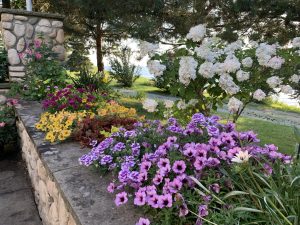
We also got an interesting comment from listener Tom:
Hardiness Zone is great but with the environmental changes occurring today I feel a strong need for Heat Zone information on plants as well. I have had too many plants rated for my zone fail due to their intolerance to my heat conditions. I won’t purchase a new to me plant without heat zone information or a recommendation from a successful local gardener who is growing it successfully for at least 3 years.
This is a really great point, Tom, and is a huge pain point for gardeners in hot climates – and even to gardeners in cold climates where summers are disproportionally hot compared to winters. The USDA hardiness zone map only deals with how much cold a plant can withstand and does nothing to address how much heat it can take. Several years ago, the American Horticultural Society created the AHS heat zone map, which classified the country into heat zones based on how many days above 86°F an area experienced. Unfortunately, they pulled this map from the internet because it needed updating and they didn’t have the labor or funds to do so. Heat tolerance is sure to become an even bigger issue in the coming years, so something must be done for sure. If anyone wants to get in touch with an idea or proposal on it, just use the contact us tab above!


